Advanced Search

Advanced Search

Current Filters

Filter your query

Publication Types

Other

to

Issue Briefs

/

U.S. Health Care from a Global Perspective, 2026

Expanded Edition
Nurse sits at computer in hospital

The nurses’ station at Valley Health Hampshire Memorial Hospital on June 17, 2025, in rural Romney, W.V., where many of the patients rely on Medicaid. The U.S. and Mexico are the only two countries in our 20-country analysis that have not achieved health coverage for all of their residents. Photo: Ricky Carioti/Washington Post via Getty Images

The nurses’ station at Valley Health Hampshire Memorial Hospital on June 17, 2025, in rural Romney, W.V., where many of the patients rely on Medicaid. The U.S. and Mexico are the only two countries in our 20-country analysis that have not achieved health coverage for all of their residents. Photo: Ricky Carioti/Washington Post via Getty Images

Introduction

Countries around the world are grappling with the shared challenges of rising health care costs, physician burnout, and aging populations.1 Yet the United States has long been an outlier in several respects. The U.S., on average, has the poorest health outcomes of any high-income country, and among the poorest of the high- and middle-income nations belonging to the Organisation for Economic Co-operation and Development (OECD). Lack of universal coverage, weak primary care infrastructure, high out-of-pocket costs, and a complex insurance system contribute to and exacerbate the nation’s uniquely poor performance relative to its peers.

The previous edition of U.S. Health Care from a Global Perspective evaluated health spending, outcomes, status, and service use in the U.S. relative to 12 other OECD countries. The 2026 edition evaluates the U.S. health system relative to 19 other OECD countries across four key areas: insurance coverage and access to care, affordability of care, delivery of care, and equity of health outcomes. These nations, which are featured in the 2026 edition of the Commonwealth Fund’s International Health Care System Profiles,2 were selected to provide a more comprehensive view of how U.S. health care compares globally. They include:

Australia
Canada
Chile
Denmark
France
Germany
Israel
Italy
Japan
Korea
Mexico
Netherlands
New Zealand
Norway
Spain
Sweden
Switzerland
Türkiye
United Kingdom
United States

We also compare U.S. performance to the OECD average, for the 38 countries for which data are available. For every metric we examine, we used the latest data available (from 2020 onward). See “How We Conducted This Study” for complete methods.

Highlights

  • Insurance coverage and access to care: The U.S. and Mexico are the only countries in the analysis where a substantial portion of the population lacks any form of health insurance. In the U.S., about 8 percent of the population, or about 27 million people, are uninsured. Mexico, however, recently announced a reform plan intended to close its coverage gap.
  • Affordability of care: For over four decades, the United States has spent more on health care than any other nation. In 2024, the U.S. spent 18 percent of gross domestic product on health care, nearly twice as much as the average OECD country, and among the highest rates in the world.
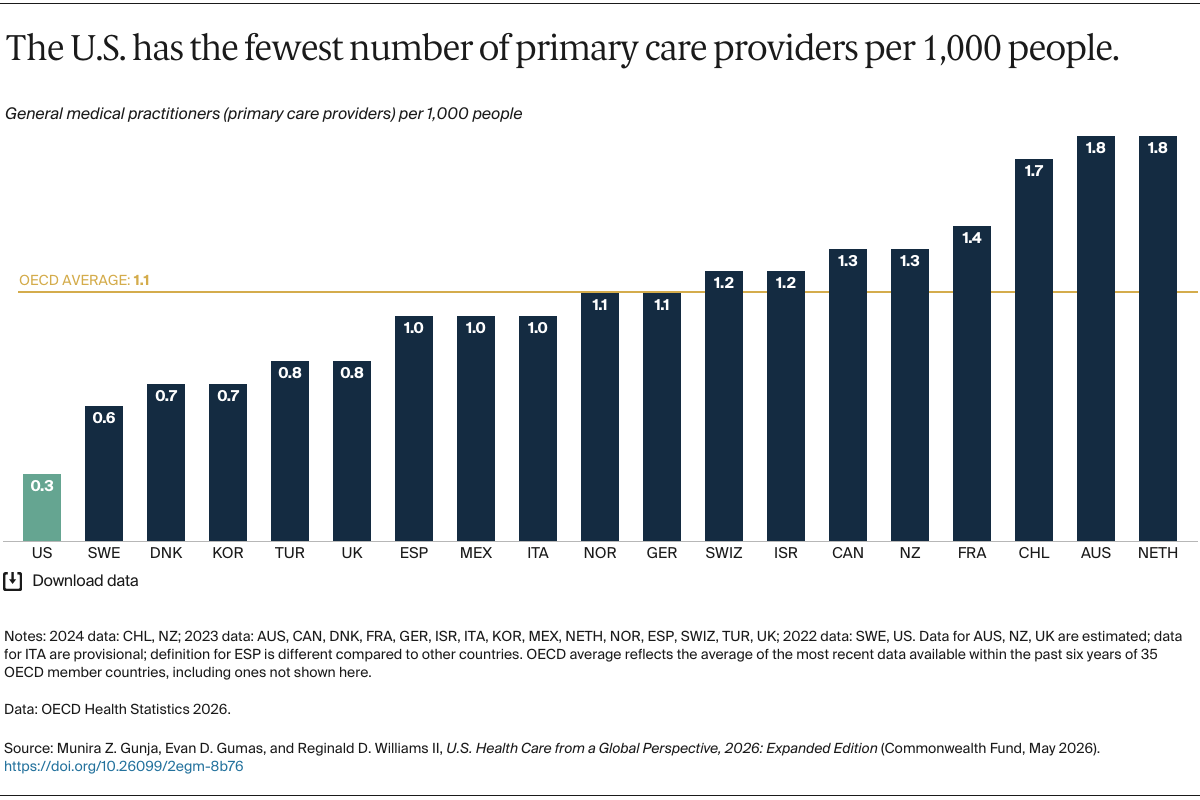
  • Care delivery: The U.S. have one of the lowest rates of physician graduates at 8.6 per 100,000 people, and the lowest rate of primary care physicians per 1,000 people.
  • Equity of outcomes: Americans die prematurely at among the highest rates. Men are more likely to die from avoidable causes than women, and the U.S. gap is among the largest. Maternal deaths occur at the highest rate among U.S. Black women. High U.S. suicide rates are far more elevated in rural areas.

Findings

Insurance Coverage and Access to Care

Gunja_us_health_care_global_perspective_2026_Exhibit_01

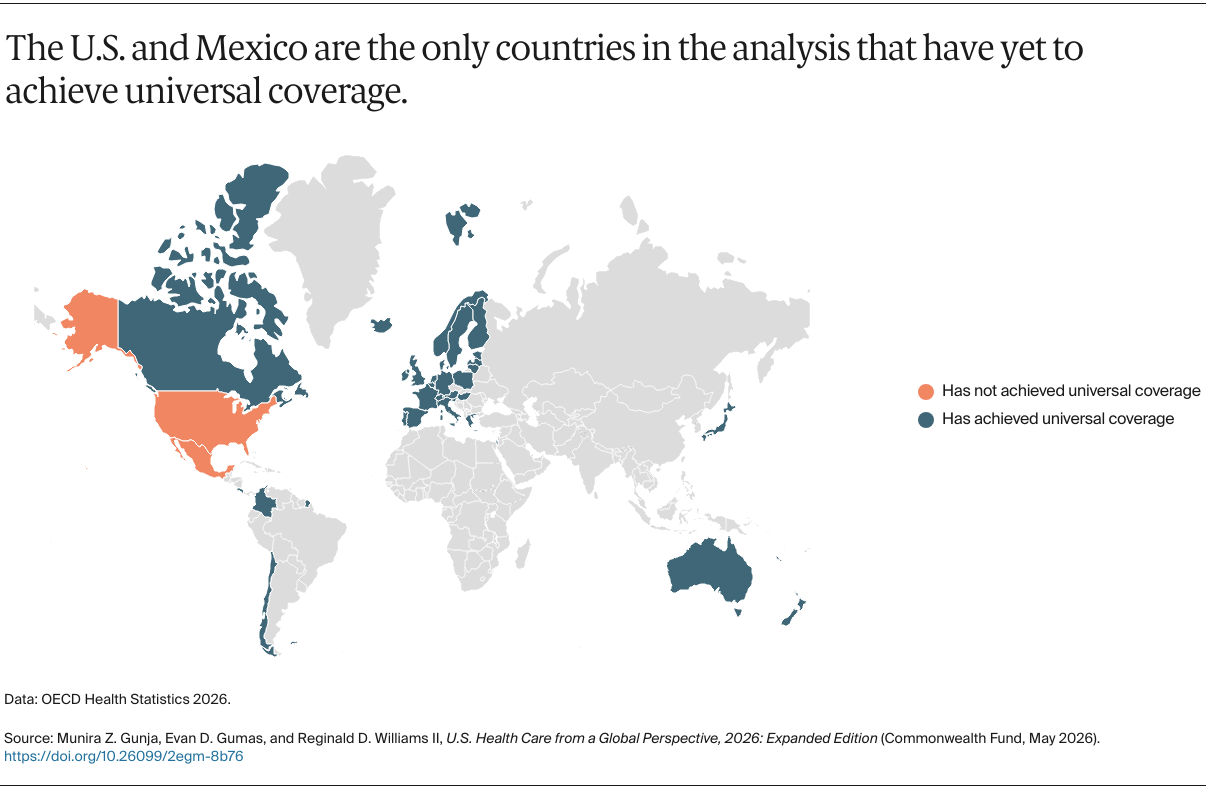
All countries in this analysis, except the U.S. and Mexico, have achieved health coverage for all their residents.

About 8 percent of the U.S., about 27 million people, remains uninsured.3 Rates are even higher for certain racial and ethnic groups, including Hispanics, Blacks, and American Indian/Alaska Natives, those living in states that have not expanded eligibility for their Medicaid programs, and people with low income.4

While Mexico’s IMSS-Bienestar was established to provide free health services to people without insurance, about one of five residents are still considered uninsured.5 However, Mexico is undertaking a comprehensive reform effort to ensure free public health coverage for all its residents by 2027.6

Gunja_us_health_care_global_perspective_2026_Exhibit_02

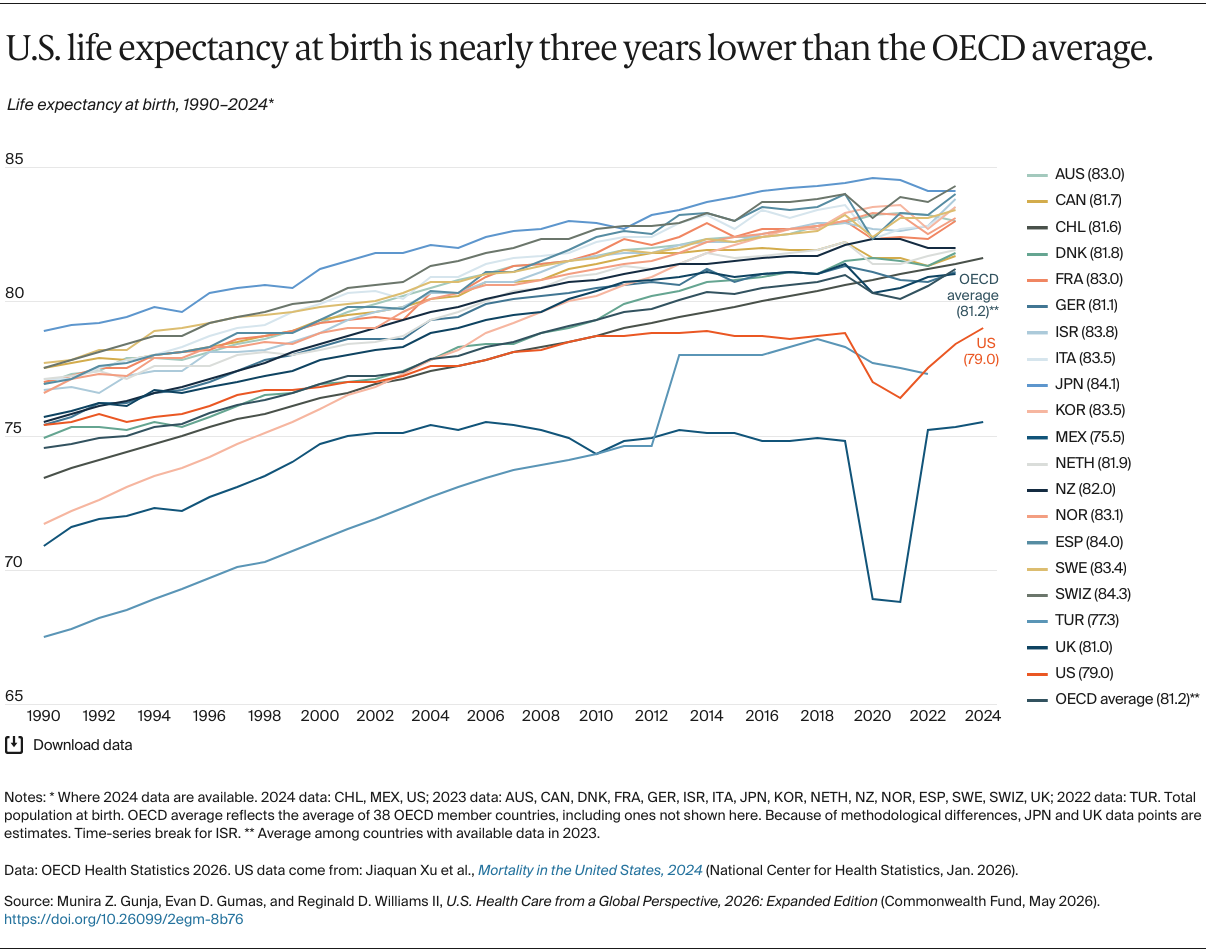
Americans lead among the shortest lives of those in OECD countries included in this study. U.S. life expectancy reached its peak of 79 years in 2024 — two years below the OECD average and third-lowest among all OECD countries, after Mexico (75.5 years) and Türkiye (77.3 years).

Average life expectancy in 2023 for non-Hispanic Black Americans (74 years) and non-Hispanic American Indians or Alaska Natives (70.1 years) is four and eight years lower, respectively, than it is for non-Hispanic white Americans (78.4 years). Meanwhile, life expectancy for Hispanics (81.3 years) is higher than it is for whites.7

Life expectancy at birth is highest in Spain (84.0 years), Japan (84.1 years), and Switzerland (84.3 years).

Gunja_us_health_care_global_perspective_2026_Exhibit_03

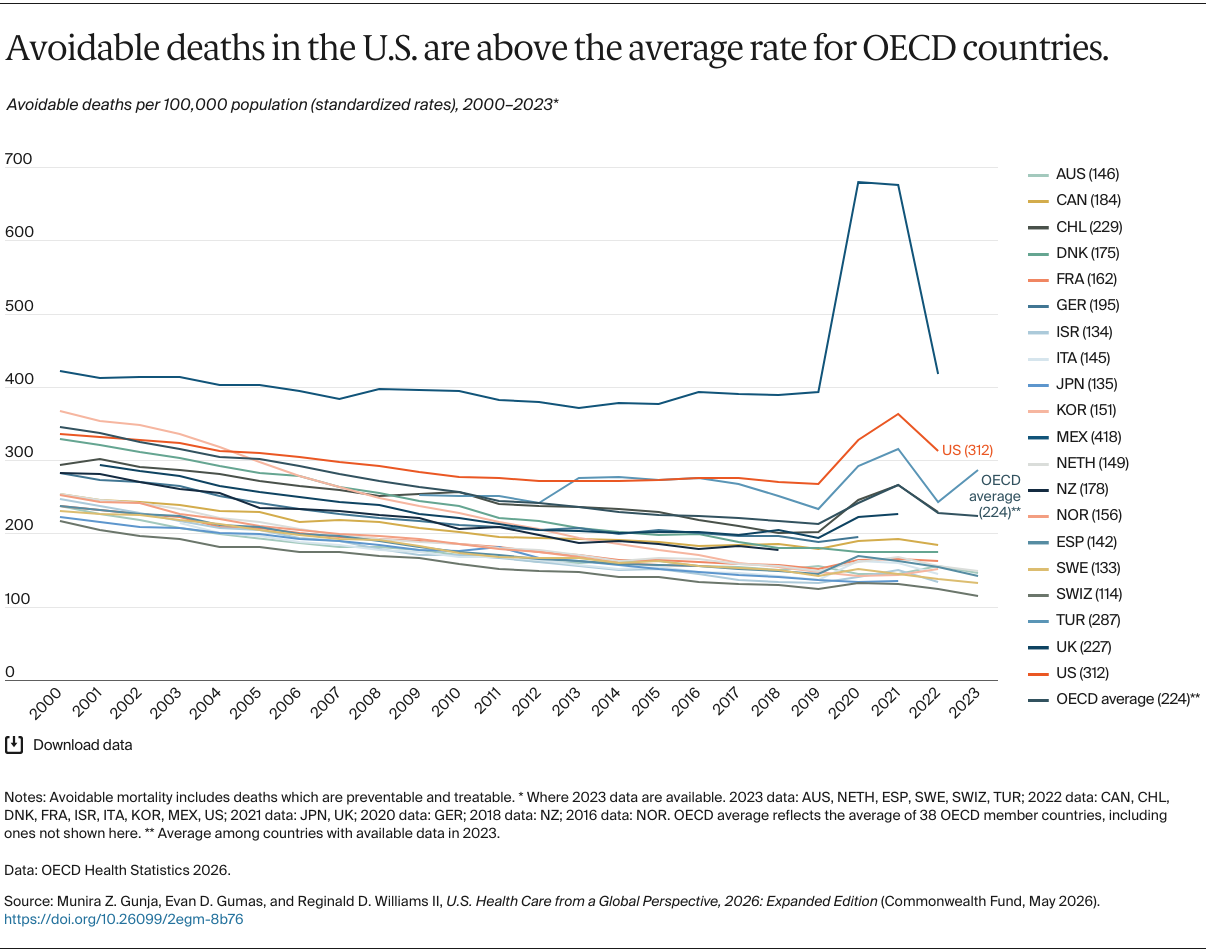
Avoidable mortality refers to deaths that are preventable and treatable.8 Preventable deaths are those that can be avoided through effective public health measures and through “primary prevention,” such as a nutritional diet and exercise. Treatable deaths can be avoided through timely and effective health care interventions, including regular exams, screenings, and treatment.

Until the 2020 COVID-19 pandemic, the rate of avoidable mortality was on the decline in most countries. In the U.S., however, the rate had been increasing before the pandemic and then spiked in 2021.9 Since that time, the U.S. avoidable mortality rate has dropped. Still, it remains above the prepandemic level and is currently second-highest among OECD countries included in this analysis, after Mexico.

Affordability of Care

Gunja_us_health_care_global_perspective_2026_Exhibit_04

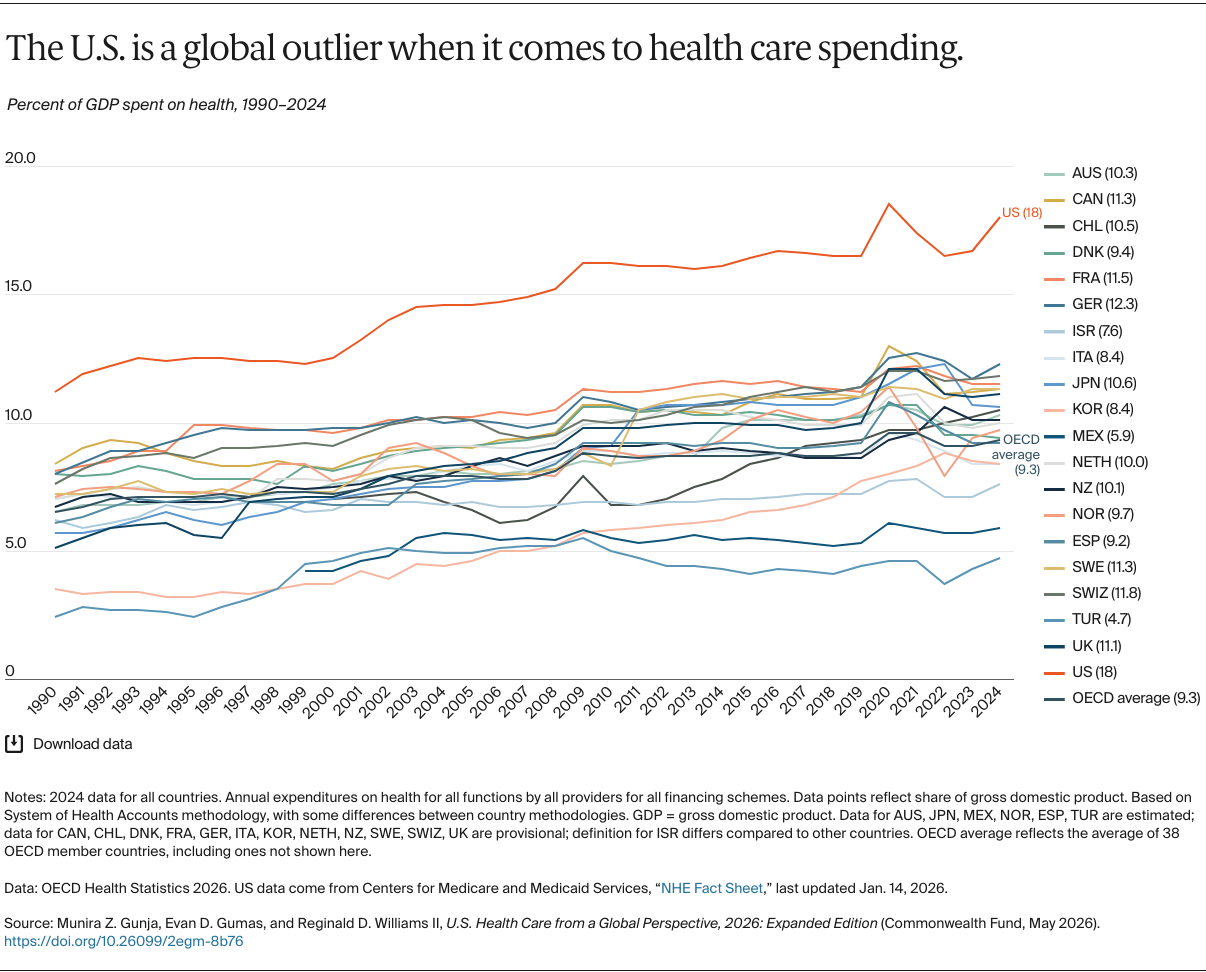
In each country, health care spending growth has outpaced economic growth over the past four decades.10 New and often costly medical technologies, rising prices, and higher demand for services are all contributing to this growth.

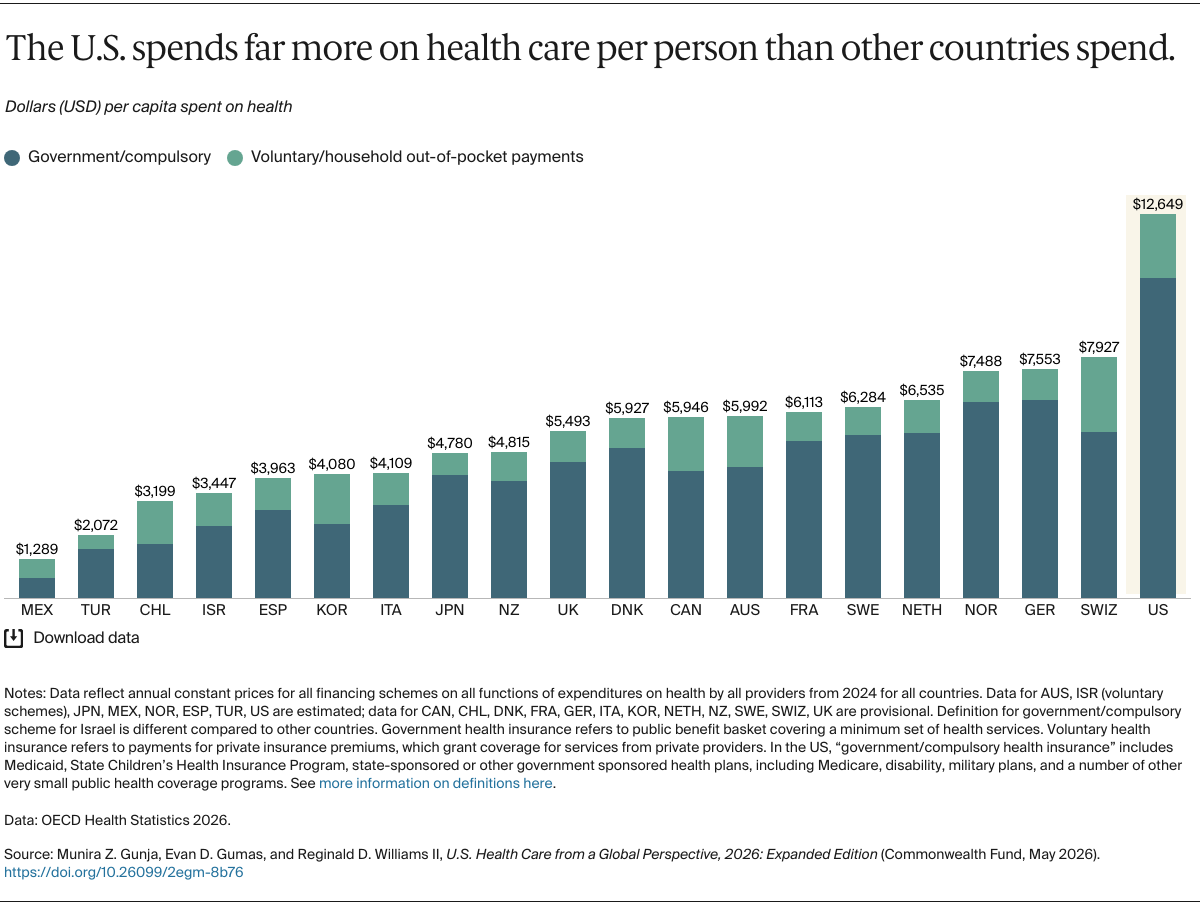
During this time, the U.S. has spent more on health care than any other nation, and 2024 was no exception. The U.S. devoted 18 percent of its gross domestic product (GDP) to health-related spending, nearly twice as much as the average OECD country.

Gunja_us_health_care_global_perspective_2026_Exhibit_05

Per capita health spending in the U.S. was was 1.5 times as much as the next-highest-spending country, Switzerland, and 10 times higher than Mexico.

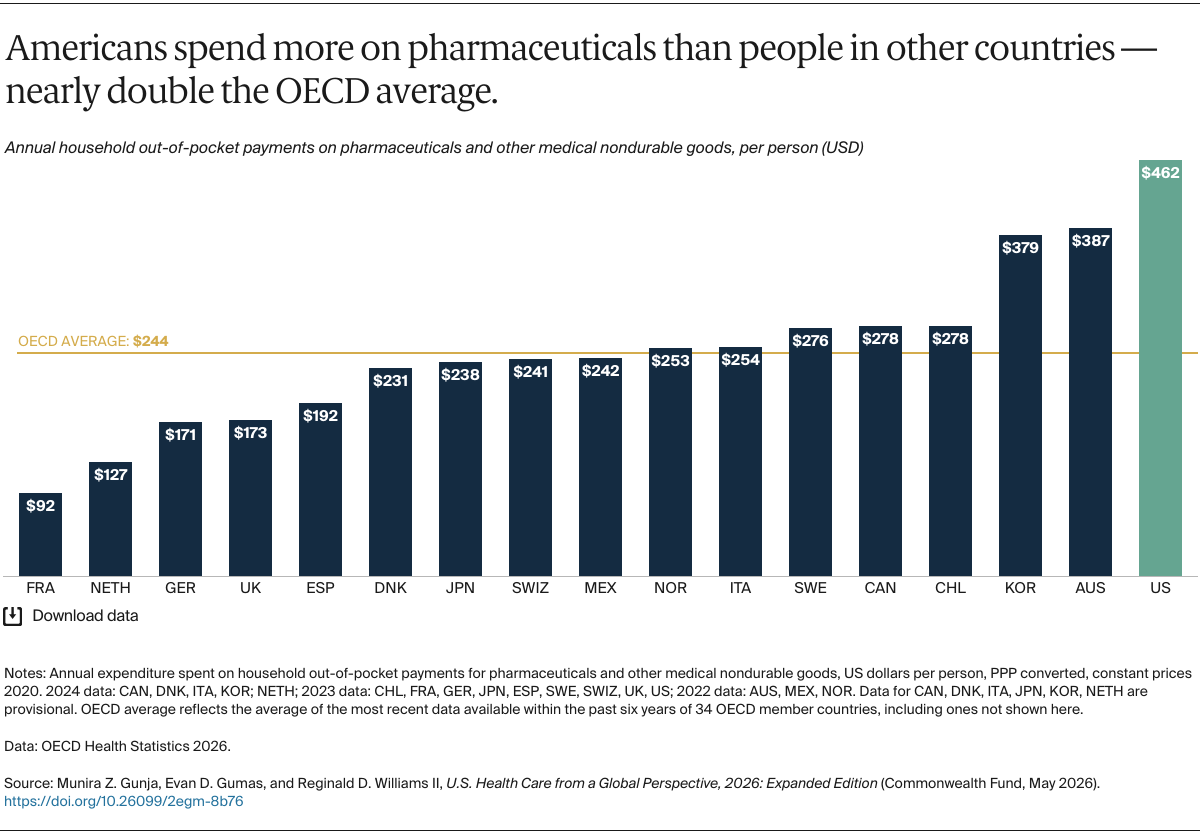
Gunja_us_health_care_global_perspective_2026_Exhibit_06

U.S. patients incur higher out-of-pocket costs for prescription drugs compared to patients in other countries. Americans spend more than $400 on average each year, compared with less than $100 in France.

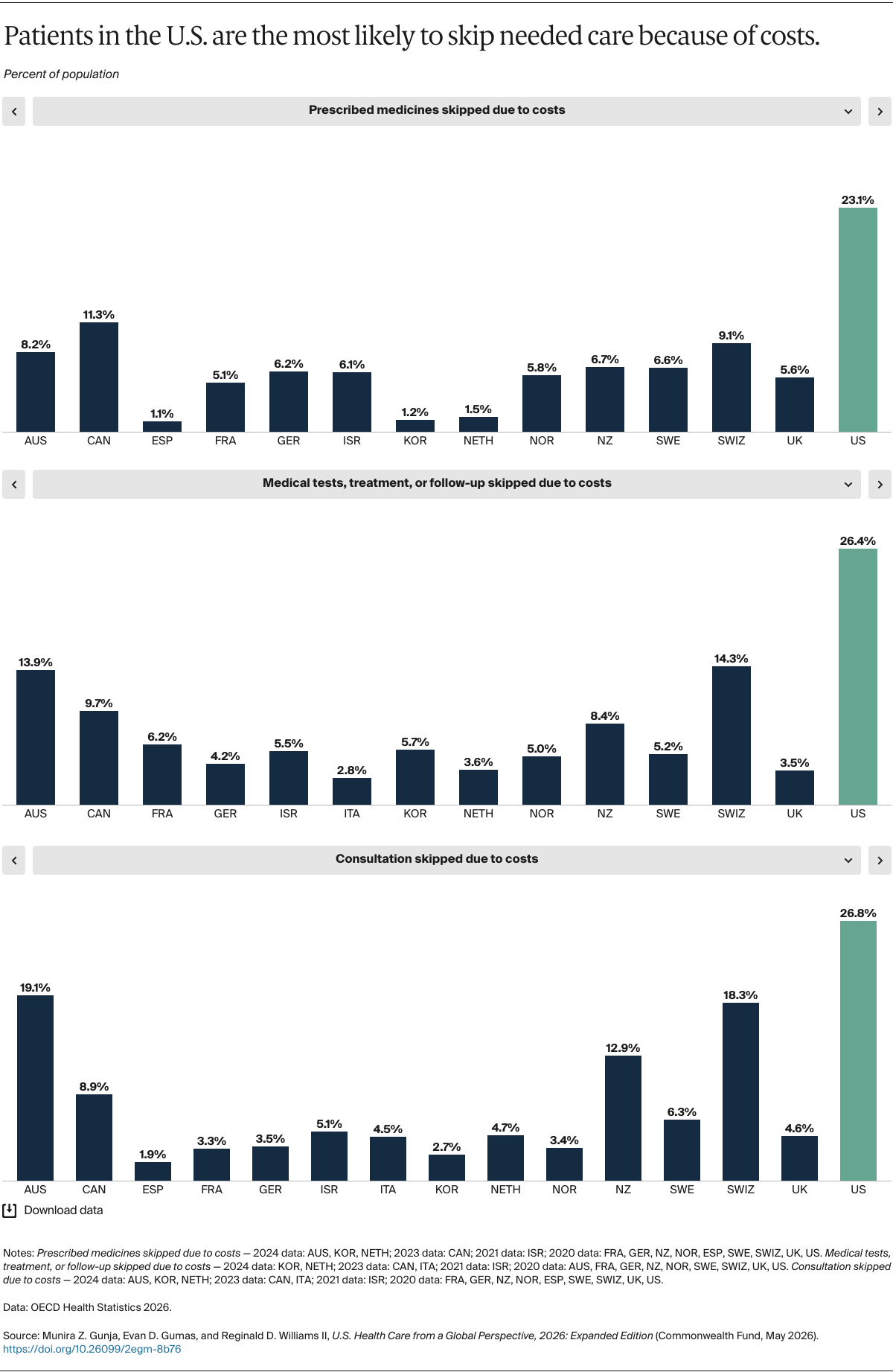
Gunja_us_health_care_global_perspective_2026_Exhibit_07

Although all the countries we studied, except the U.S. and Mexico, provide universal health coverage, patients’ out-of-pocket costs for health services vary widely depending on health needs, geographic location, and income. In many cases, these costs make essential services unaffordable.11

In the U.S., where approximately 8 percent of the population is uninsured and one-quarter has coverage that comes with high out-of-pocket costs or deductibles, people are far more likely to forgo needed care because of costs than people in peer countries.12 This can mean not filling prescriptions, not obtaining diagnostic tests, treatment, or follow-up care, or being unable to adhere to clinician-recommended care plans.

Improving Care Delivery

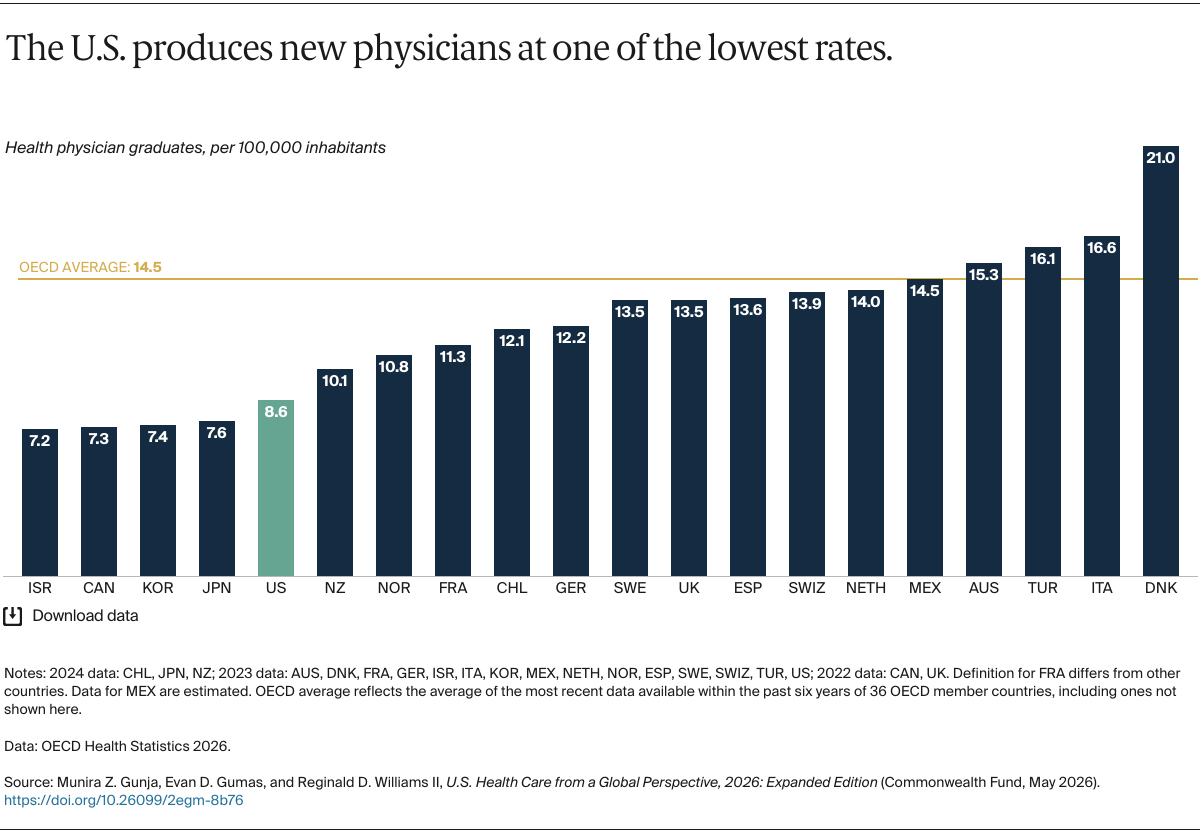
Gunja_us_health_care_global_perspective_2026_Exhibit_08

The U.S. has the highest medical tuition fees of any country in our analysis.13 This high cost, coupled with limited residency training positions, has produced one of the lowest ratios of medical school graduates, 8.6 for every 100,000 people. This is far lower than the OECD average of nearly 15 graduates per 100,000 people, and well below Denmark’s leading rate of 21 per 100,000.14

Gunja_us_health_care_global_perspective_2026_Exhibit_09

With not enough medical graduates, inadequate primary care funding, and a growing problem of physician burnout, the U.S. has the fewest primary care physicians per capita. Without significant action, the shortage of primary care providers is expected to worsen in the years ahead.15

Gunja_us_health_care_global_perspective_2026_Exhibit_10

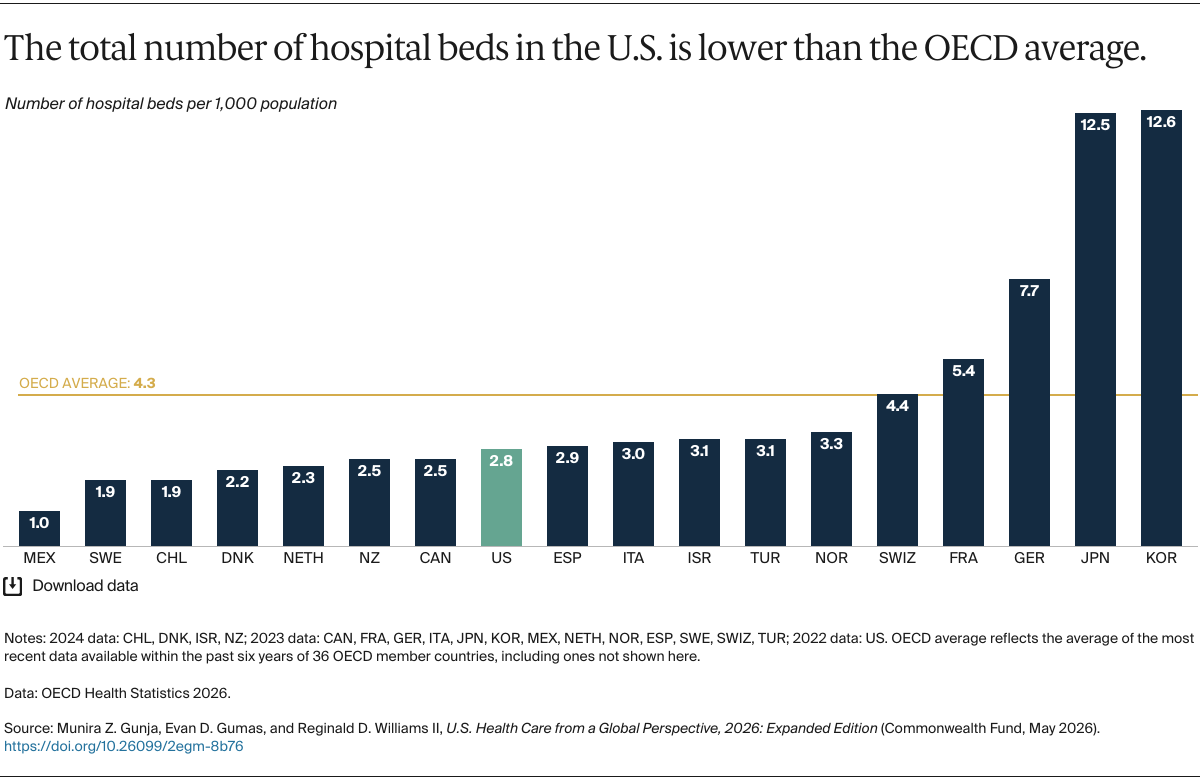
The number of hospital beds is an indicator of a health system’s capacity to manage inpatient care.16 In the U.S., the total number of hospital beds for every 1,000 people — three — is lower than the OECD average of 4.3. At the other end, Japan and Korea have 13 beds per 1,000 people, which may be an indication of unnecessary health care utilization and overtreatment.17

Gunja_us_health_care_global_perspective_2026_Exhibit_11

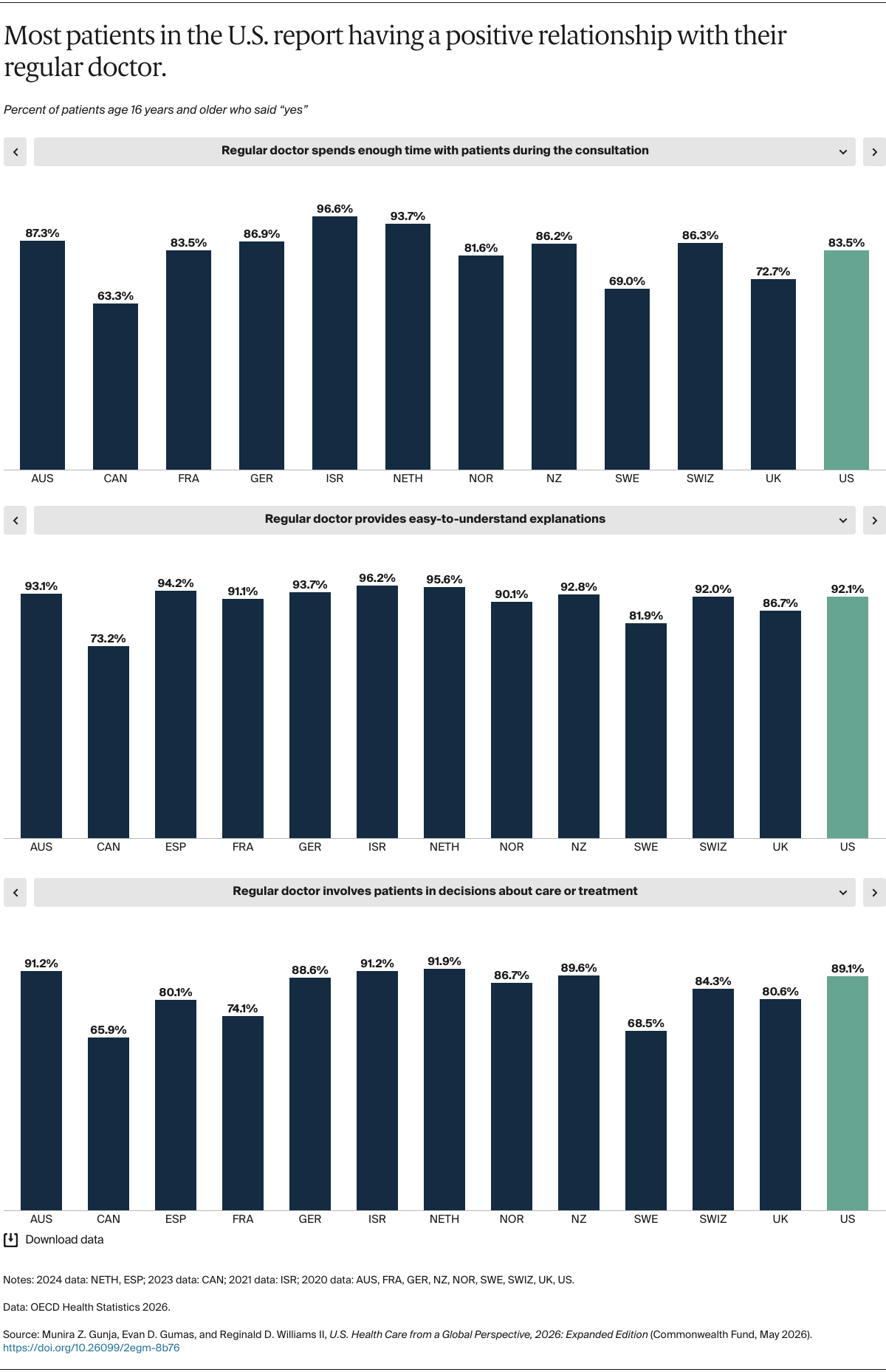
Despite other shortcomings of the U.S. health care delivery system, the majority of Americans who have a regular doctor have a positive relationship with that provider. This means they believe their regular doctor involves them in decisions about their care or treatment, provides easy-to-understand explanations, and spends enough time with them during consultations.

Canadian patients were the least likely to report having a positive relationship with their regular doctor.

Equity of Outcomes

Gunja_us_health_care_global_perspective_2026_Exhibit_12

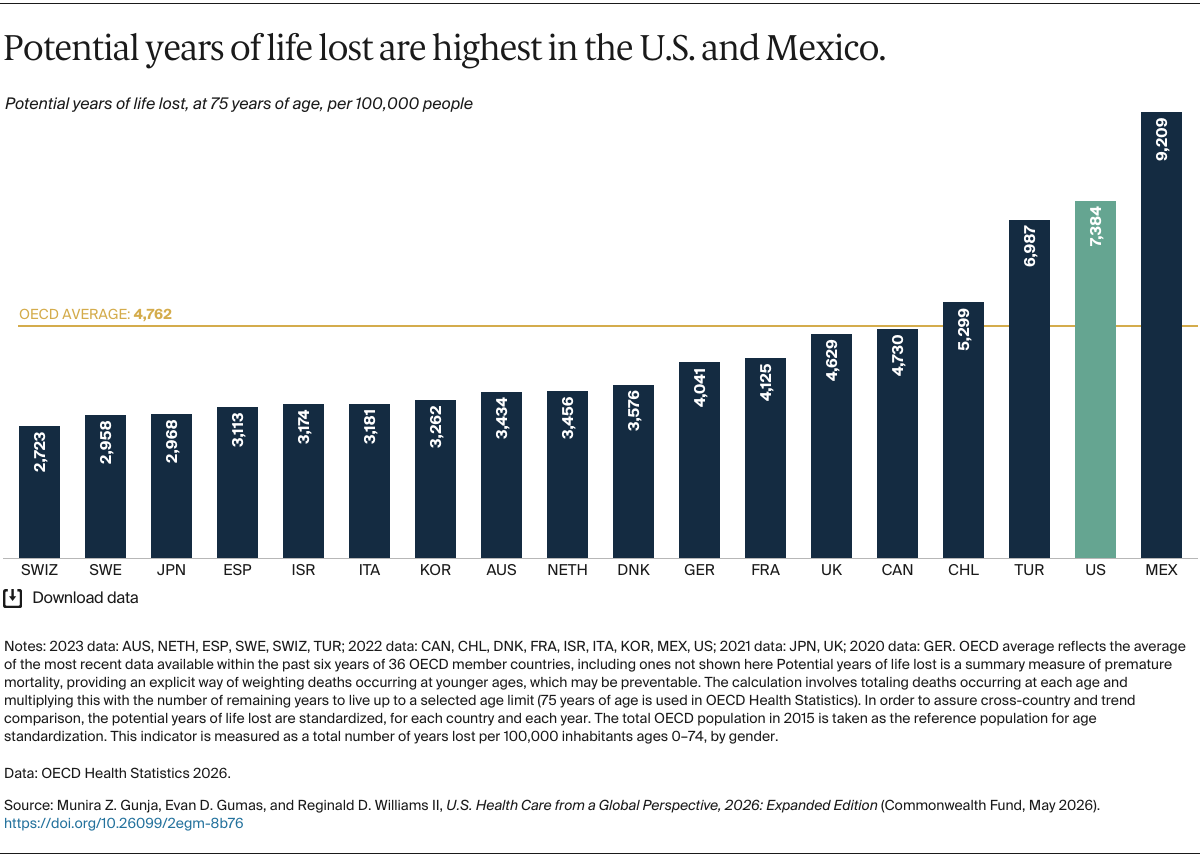
Years of potential life lost (YPLL) is a measure that public health experts use to estimate premature deaths in a population. It’s the average number of years a person would likely have lived had they not died prematurely and instead had lived until age 75.18 For example, dying from a preventable cause at age 30 is akin to losing 45 years of potential life, while at age 70 it’s akin to losing five years.

A higher YPLL indicates a greater prevalence of early deaths, particularly among younger populations. The United States has one of the highest YPLL rates, driven largely by preventable causes such as drug overdoses, gun violence, and obesity — conditions that disproportionately affect younger people. In Switzerland, which has the lowest YPLL rate, most avoidable deaths are due to cardiovascular disease, which primarily affects older adults. Because these deaths occur later in life, they contribute fewer years of potential life lost compared to deaths at younger ages.19

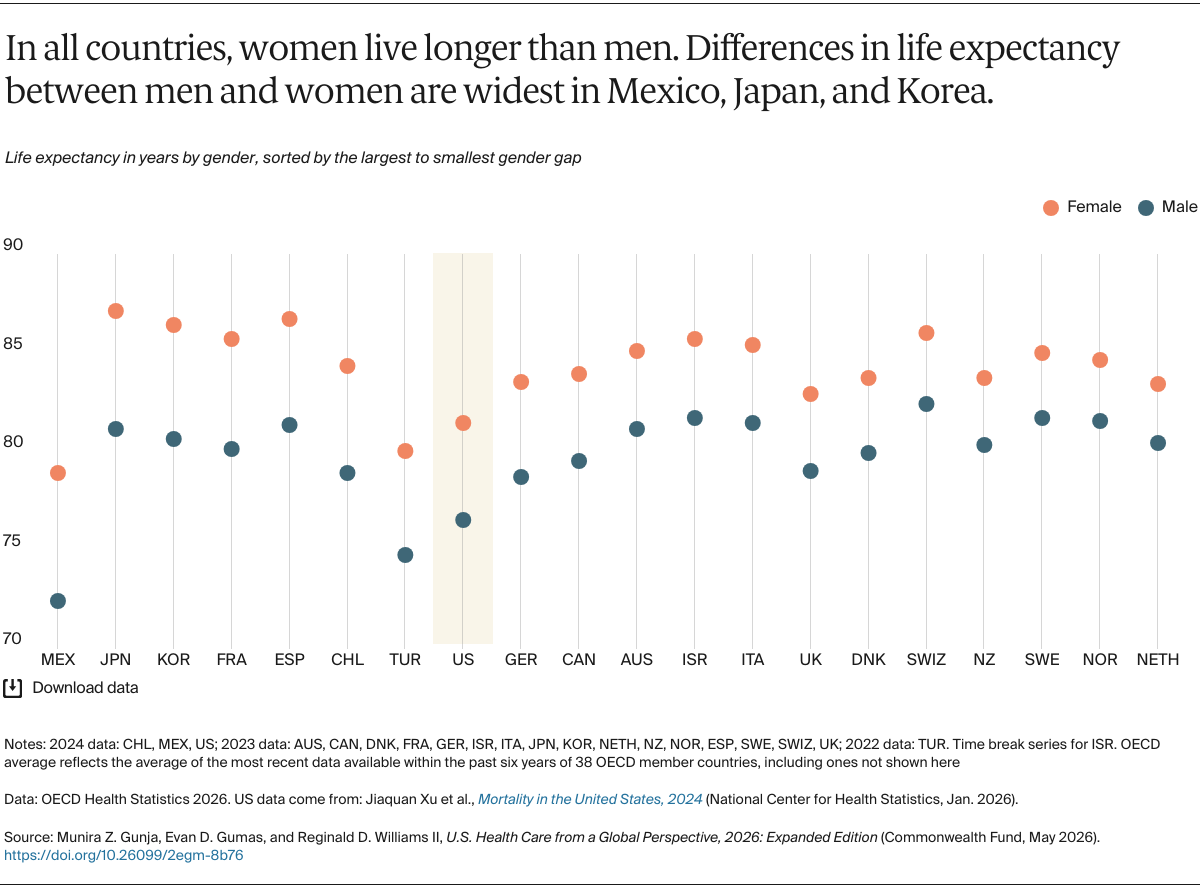
Gunja_us_health_care_global_perspective_2026_Exhibit_13

In all the countries we studied, women are expected to live longer than men. The difference varies by country, however: Mexico has the largest gap between men and women, 6.5 years, while the Netherlands and Norway have the smallest differences, 3.0 and 3.1 years, respectively.20 In the U.S., women are expected to live five years longer than men.

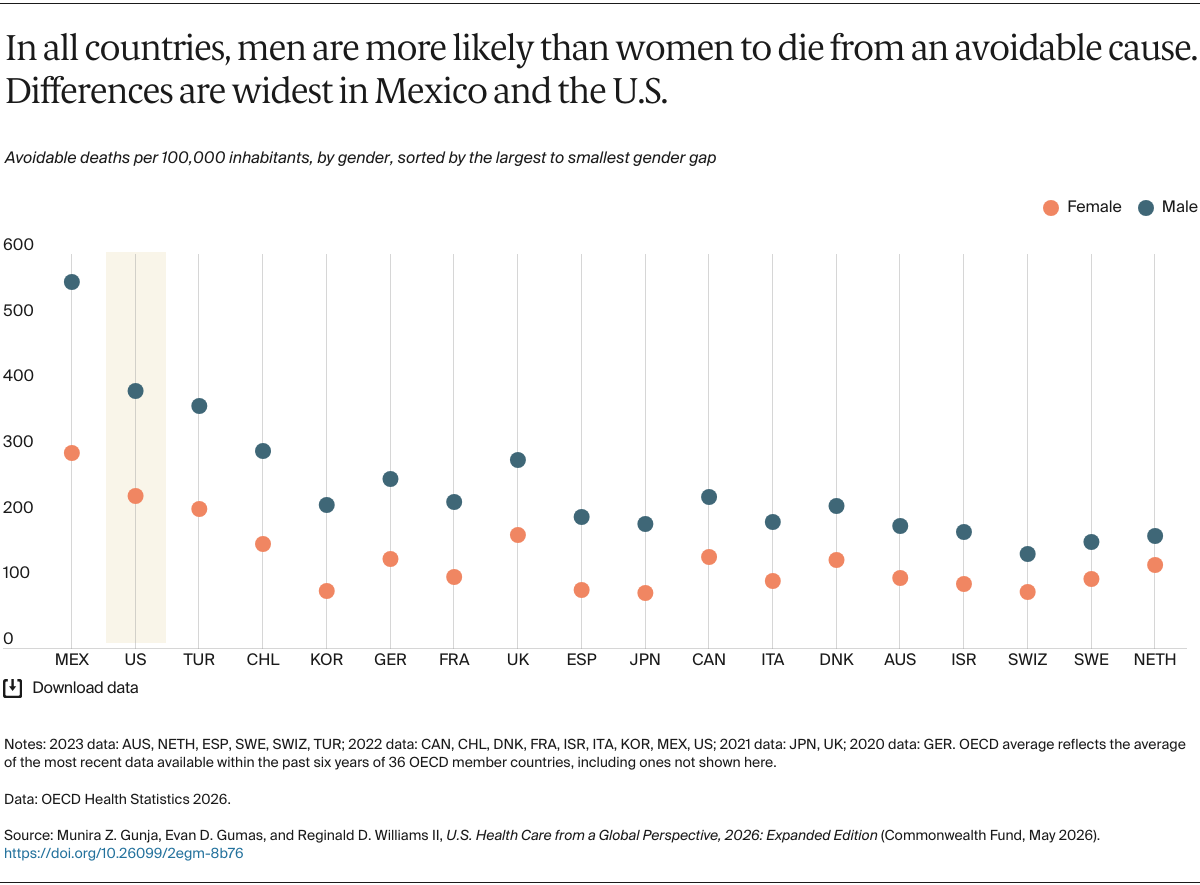
Gunja_us_health_care_global_perspective_2026_Exhibit_14

In all countries, men are more likely than women to die from avoidable causes than women, mainly because of higher alcohol and tobacco consumption and other lifestyle factors; a lower likelihood of seeking medical care; a greater prevalence of mental health problems such as depression; and a greater likelihood of working in dangerous settings.21 The gap is widest in Mexico (261 deaths per 100,000 people) and the U.S. (160 deaths per 100,000 people) — more than double the difference in Switzerland (57 deaths per 100,000 people), Sweden (56 deaths per 100,000 people), and the Netherlands (45 deaths per 100,000 people).

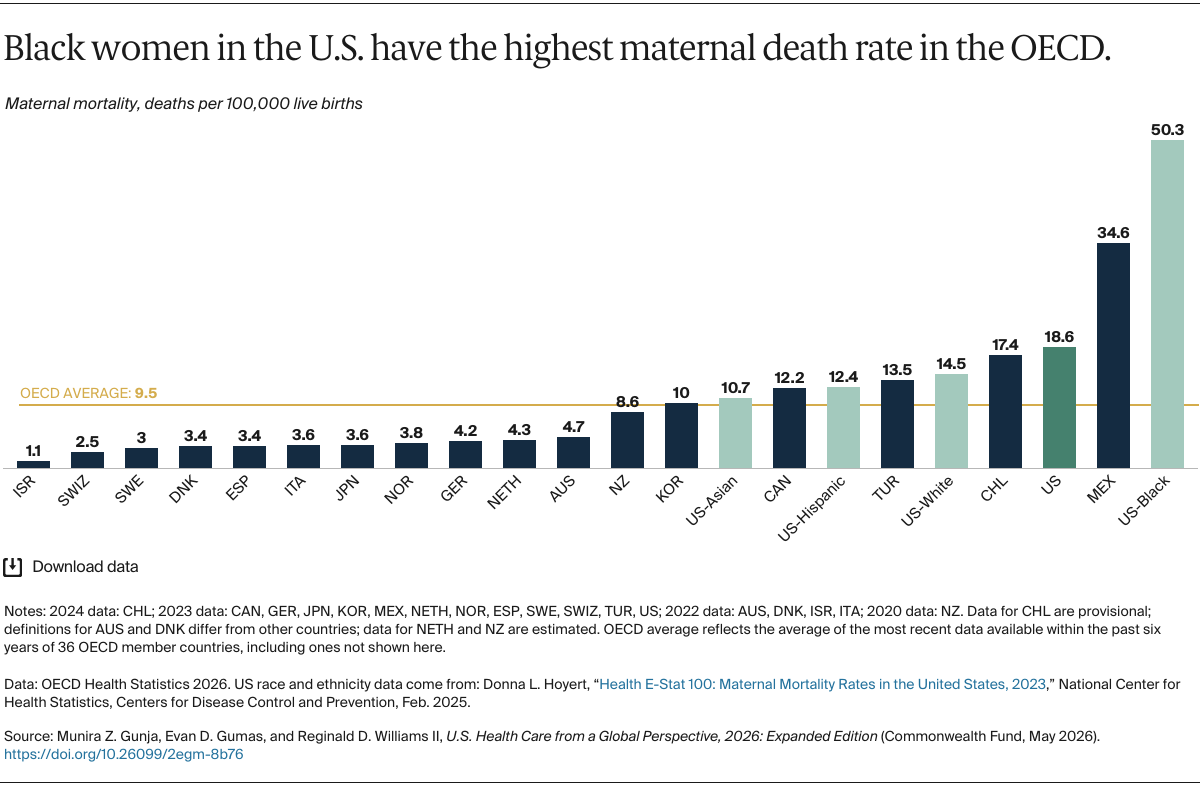
Gunja_us_health_care_global_perspective_2026_Exhibit_15

Compared to countries included in this analysis, the U.S. has long had among the highest rates of maternal deaths related to complications of pregnancy and childbirth. In 2023, there were nearly 19 maternal deaths for every 100,000 live births in the U.S., a decline from previous years.22 By contrast, in 11 of the 18 countries we studied there were less than five maternal deaths per 100,000 live births. A high rate of cesarean section, inadequate prenatal care, and socioeconomic inequalities contributing to chronic illnesses like obesity, diabetes, and heart disease may help explain high U.S. maternal mortality.23

For Black women in the U.S., maternal mortality is exceptionally high: 50 deaths per 100,000 live births. This far exceeds national maternal mortality in any of the other countries. Inequities in access to care and patients’ care experiences — often rooted in discrimination and clinician bias — may be prime contributing factors.24

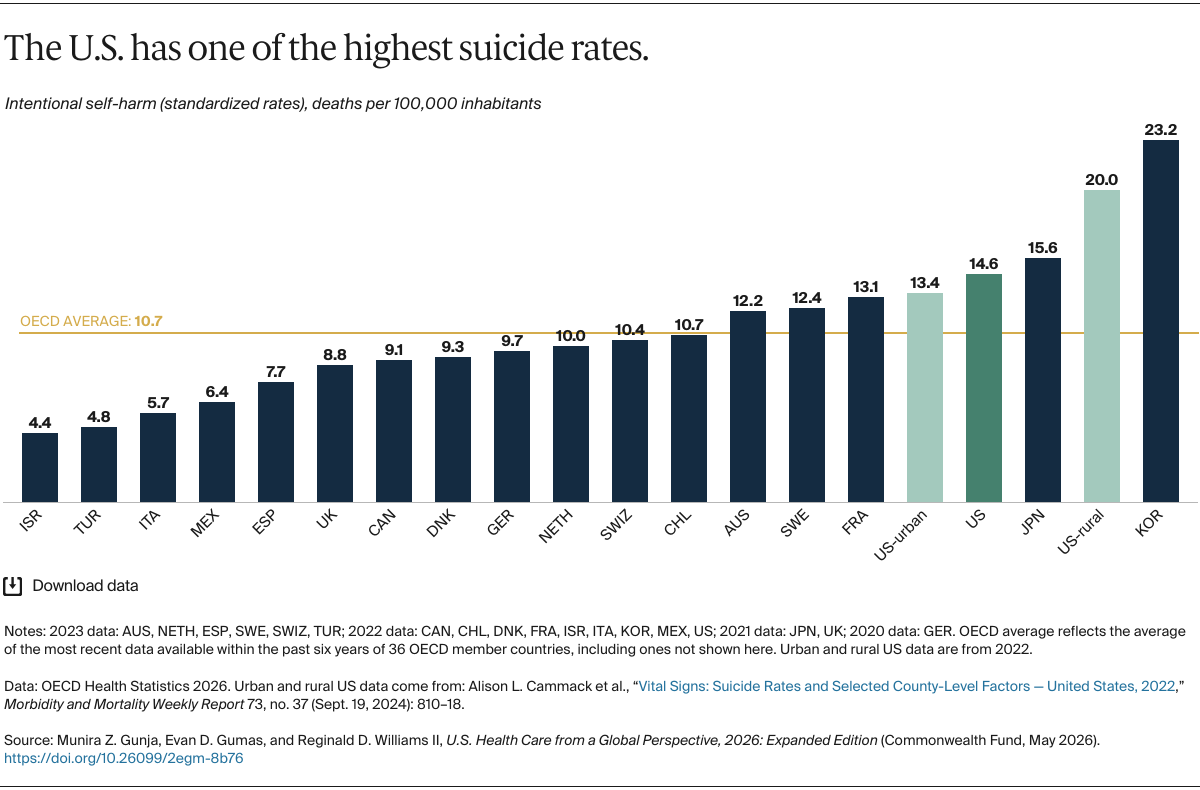
Gunja_us_health_care_global_perspective_2026_Exhibit_16

Elevated suicide rates can indicate a high incidence of mental illness.25 The U.S. has the third-highest suicide rate. Rates in Korea, which are the highest, are the result of cultural factors like high alcohol use and a stressful work culture.26

Suicide is a leading cause of death in the U.S.27 Rates are consistently higher, and rising faster, in rural areas than in urban areas: Americans in rural communities are one-and-a-half times more likely to die by suicide than their urban counterparts. Regardless of demographic characteristics, rural Americans are less likely to have access to adequate physician and mental health services and are more likely to experience challenges such as depression and loneliness.

Discussion

Although the United States spends more on health care than any other country, it consistently underperforms. If the U.S. is to achieve health outcomes on par with its international peers, it will be critical to closely monitor changes in access, affordability, care delivery, and inequities in outcomes and to continue tracking health system performance against other nations.

Insurance Coverage and Access to Care

Except for the U.S., all countries in our study have achieved universal health coverage or are on the path to achieving it.28 While benefit packages vary across these countries, each provides comprehensive coverage for essential services, including preventive, primary, pharmaceutical, and maternity care. These services are fundamental to early disease detection, prevention, and long-term care management. The U.S. is one of the only countries to have enacted policies that reduce coverage. Other nations have implemented reforms over time aimed at expanding and strengthening coverage. For example, this year, Mexico established the Servicio Universal del Salud (Universal Health Service), which will gradually allow residents to get free care at any public health institute, starting in 2027.29

Recent policy changes enacted by the Trump administration and Congress will push the U.S. even further away from universal coverage. After years of progress in increasing access to comprehensive health insurance through the Affordable Care Act (ACA) marketplaces and expanded eligibility for Medicaid, new changes to the marketplaces and substantial cuts in federal funding for state Medicaid programs are projected to increase the number of uninsured Americans by an additional 17 million by 2034. This will effectively return the nation to pre-ACA coverage levels and could potentially lead to over 50,000 additional preventable deaths annually.30 Marketplace enrollment is projected to decline by at least 17 percent in 2026 compared to 2025.31

To ensure greater access to coverage, as a starting point U.S. policymakers could expand Medicaid eligibility in the 10 states that have not yet done so. This would at least ensure that the 1.4 million people with the lowest incomes have access to comprehensive health care.32

Affordability of Care

U.S. health care is likely to continue to underperform until policymakers and health care leaders address the rising cost of health services.33 Despite high levels of government spending per person, Americans face the highest out-of-pocket costs for health services and prescription medications. These costs lead more people in the U.S. to forgo needed care than in other high-income countries.

The U.S. can increase access to affordable health coverage by reducing deductibles and out-of-pocket costs for ACA marketplace plans, including by extending cost-sharing reductions to middle-income individuals. In addition, the introduction of new public plan options and limits on prices set by commercial insurers could curb growth in health care costs.34

Although the Inflation Reduction Act caps Medicare beneficiaries’ annual out‑of‑pocket drug costs, and cut the price of the first round of 10 negotiated drugs,35 the Trump administration’s “Most Favored Nation” proposal, which ties U.S. drug prices to those paid abroad, cannot replace the institutional processes used to assess value and negotiate prices.36

Many nations have implemented strategies to contain costs, even as health care spending has risen globally. Spain, for example, spends far less on health care than the U.S. yet achieves some of the best health outcomes in the world, including high life expectancy and a low rate of avoidable deaths. Its decentralized health system contains health spending by allowing the country’s autonomous communities to manage the planning, budgeting, and purchasing of health care within defined funding allocations. In this way, the government promotes targeted spending aligned with regional needs.37

Similarly, Denmark sets spending global budgets for regions and municipalities.38 The government also incentivizes shifting from inpatient to outpatient care. Additional efforts include value-based payment models that emphasize patient outcomes rather than service volume, as well as integrated care models that foster collaboration among primary care providers, specialists, and hospitals. Together, these approaches reduce fragmentation in care delivery, limit duplication of services, and help control costs without compromising quality.

Delivery of Care

Decades of underinvestment in primary care, coupled with an insufficient supply of primary care providers, have constrained Americans’ access to effective primary care. One hundred million people — nearly one-third of the U.S. population — are considered medically disenfranchised, meaning they lack a regular place to go for primary care. This can be a result of provider shortages, hospital closures, or unaffordable costs.39

The U.S. needs to invest in, and improve, its primary care. Growing and retaining the workforce will require enlisting additional types of health professionals to meet the nation’s primary care needs, as well as catalyzing uptake of innovative, evidence-based models, including team-based, person-centered primary care.40 This also extends to appropriate use of technology, including artificial intelligence; the integration of behavioral health into primary care to meet substance use and mental health needs; and broad access to comprehensive reproductive and maternal care.

Chile is a country that has made substantial progress in delivering primary care to its people. On the supply side, the nation has one of the highest numbers of primary care physicians per capita. Since 1990, Chile has added more medical schools and increased enrollment, strengthening its physician pipeline. About a quarter of the health care workforce receives its training internationally, with many providers coming from neighboring countries to fill workforce gaps. Chile’s supply of physicians is projected to expand to six per 1,000 people — above World Health Organization benchmarks.41

Since 2005, Chileans have received their primary care through the Comprehensive Family and Community Health Care Model, which emphasizes person‑centered care. This approach to care not only meets patients’ physical and mental health needs but also takes into account their cultural background, family dynamics, and community environment.42

Equity of Outcomes

On several of the health system measures we examined, the U.S. has some of the widest demographic and regional disparities in health outcomes, while Sweden has some of the smallest disparities. To help ensure equitable access to medical services, Sweden’s investments in digital health, especially telemedicine, have helped bridge gaps in sparsely populated northern areas by reducing travel burdens and improving access to primary and specialist care. While disparities are less pronounced in Sweden, the country may still be falling short in achieving its goal of eliminating avoidable inequalities by 2048.43

Conclusion

Findings from this international comparison highlight a persistent failure of the U.S. health system: Americans pay more for health care, get less in return, and remain far more exposed to illness, debt, and insecurity than their peers. Recently enacted and proposed federal policies fail to address this contradiction head on. Instead, they sharpen it, leaving more Americans uninsured and exposed to costs they cannot afford. Over the next several years, it will be important to measure the impact of these policies against progress internationally. Yet comparison alone is insufficient: the U.S. must build a system that delivers care rather than financial ruin.

Other nations have made different choices. What’s remarkable is not that alternatives exist, but that the United States has failed to pursue them.


HOW WE CONDUCTED THIS STUDY

This analysis used data from the 2026 release of health statistics compiled by the Organisation for Economic Co-operation and Development (OECD), which tracks and reports on a wide range of health system measures across 38 countries. We extracted the data between January and February 2026.

While the OECD database is considered the gold standard for international comparisons, one limitation is that it may mask differences in how countries collect information about health and health care. We also point out when results for each country are either provisional or considered an estimate due to methodological differences. This analysis only shows country results for measures within the past six years, which means fewer than 20 countries may be included for some of the measures. This brief expands the range of countries included in the analysis to offer a fuller picture of how U.S. health care compares internationally, based on OECD countries featured in the Commonwealth Fund’s International Health Care System Profiles. Brazil and Indonesia, however, are excluded — while both are on track to join the OECD, neither was a member as of May 2026.

Full details on how the OECD defines health system indicators, as well as on country-level differences in definitions, are available from the OECD.44

ACKNOWLEDGMENTS

The authors thank Chris Hollander, Tony Shih, Jen Wilson, Paul Frame, Arnav Shah, and Avni Gupta, all of the Commonwealth Fund, for helpful comments on earlier versions of the brief and for editorial support.

Notes

Publication Details

Date

Contact

Munira Z. Gunja, Senior Researcher, Promoting International Learning and Exchange, The Commonwealth Fund

[email protected]

Citation

Munira Z. Gunja, Evan D. Gumas, and Reginald D. Williams II, U.S. Health Care from a Global Perspective, 2026: Expanded Edition (Commonwealth Fund, May 2026). https://doi.org/10.26099/2egm-8b76